
Dentist performing precise treatment under warm clinical light
Platform

One platform.
Every workflow.

Verification, coding, claims, denials, patient pay — all unified, all powered by AI plus a dedicated dental billing team.

Front-desk coordinator verifying dental insurance on a tablet

Verification that runs itself

The moment an appointment hits your schedule, Toothy contacts the payer, pulls eligibility, and confirms benefits — automatically.

  • Real-time payer connections
  • Plan-level benefit detail
  • Automatic re-checks before visit
  • Front-desk alerts for issues
Dental claims being reviewed on a laptop under warm desk lamp

Claims that get paid the first time

Every claim is AI-scrubbed against current payer rules, then reviewed by a billing specialist before submission. The result: dramatically lower denials.
  • AI coding suggestions
  • Pre-submission rule check
  • Attachment automation
  • Live claim status tracking
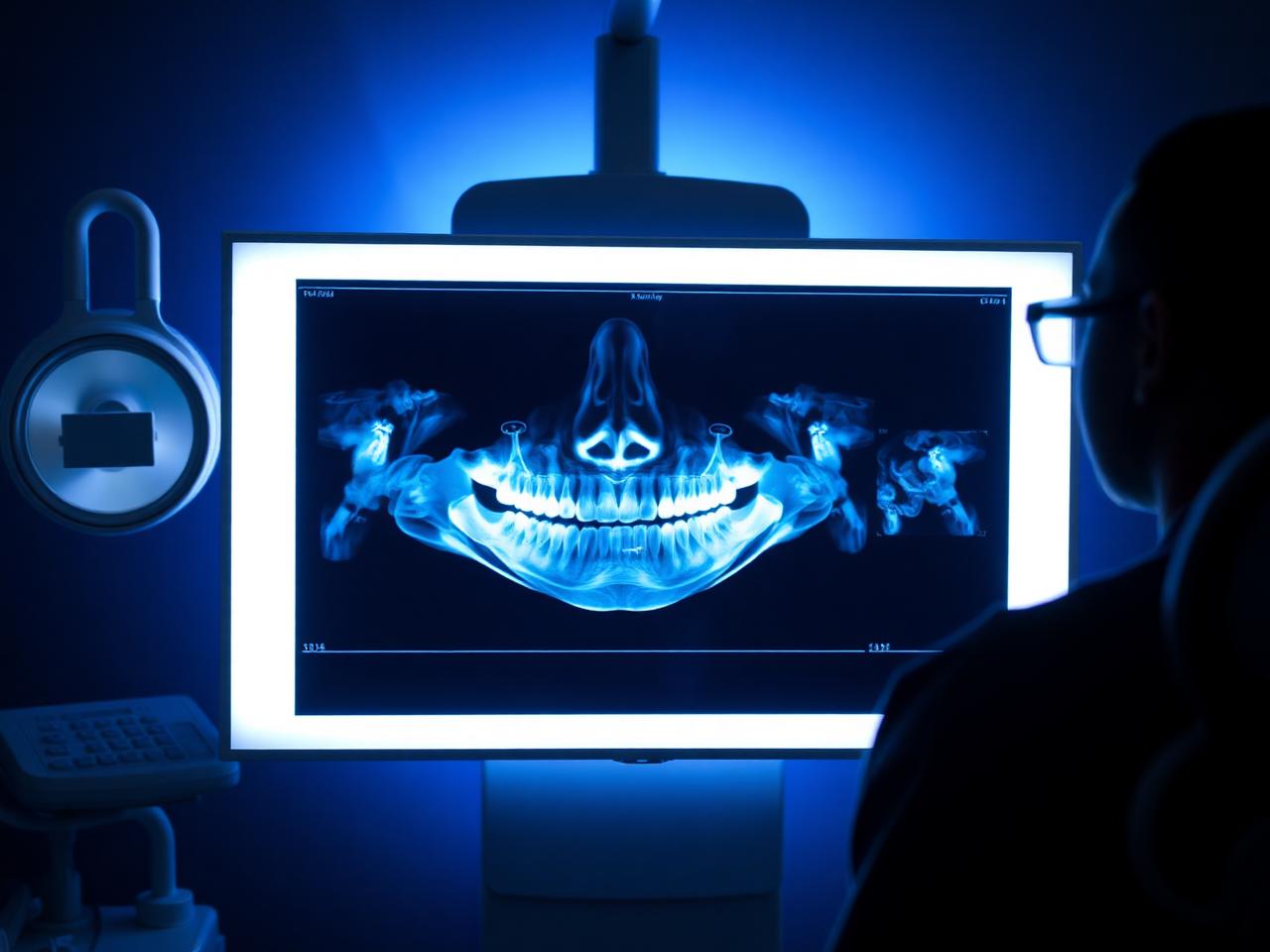
Dentist studying a panoramic X-ray on a glowing screen

Denials worked while you sleep

When a claim does get denied, our team appeals it within 48 hours — fully documented, fully tracked, no work for your office.

  • 48-hour appeal SLA
  • Root-cause analytics
  • Payer-specific playbooks
  • Recovery reporting
Built-in

Everything a modern RCM stack needs

Specialist working with analytics
/ Analytics

Live revenue dashboard

See A/R aging, payer mix, denial reasons, and recovery in one clean view — updated every hour.
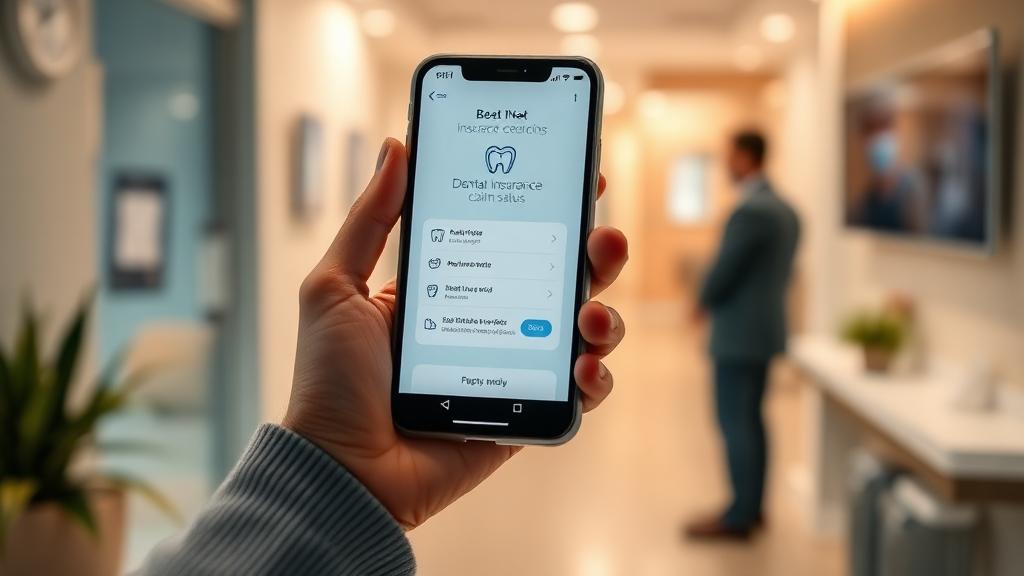
Patient pay app
/ Patient pay

One-tap payment links

Auto-text and email balances with secure payment links. Most patients pay within 48 hours.

Front desk
/ Front desk

Eligibility at booking

The front desk sees benefits, deductibles and copays before the patient sits down.

Security & compliance

HIPAA-grade by default

Enterprise-level security baked into every layer — so you can sleep easy.

HIPAA compliant

End-to-end encryption, signed BAAs, full audit trails on every action.

SOC 2 in progress

Type II audit underway. Continuous monitoring of access and infrastructure.

Role-based access

Granular permissions per user, per location, per data type. Zero shared logins.

Daily backups

Encrypted backups across multiple regions with one-click restore.

See the platform live

30-minute demo, your data, your payers. We'll show you the exact recovery you're missing.

Learn / Patient education

The biology behind every claim.

Great revenue cycle work starts with great clinical understanding. Here are three diagrams our team uses when training billers on dental coding.
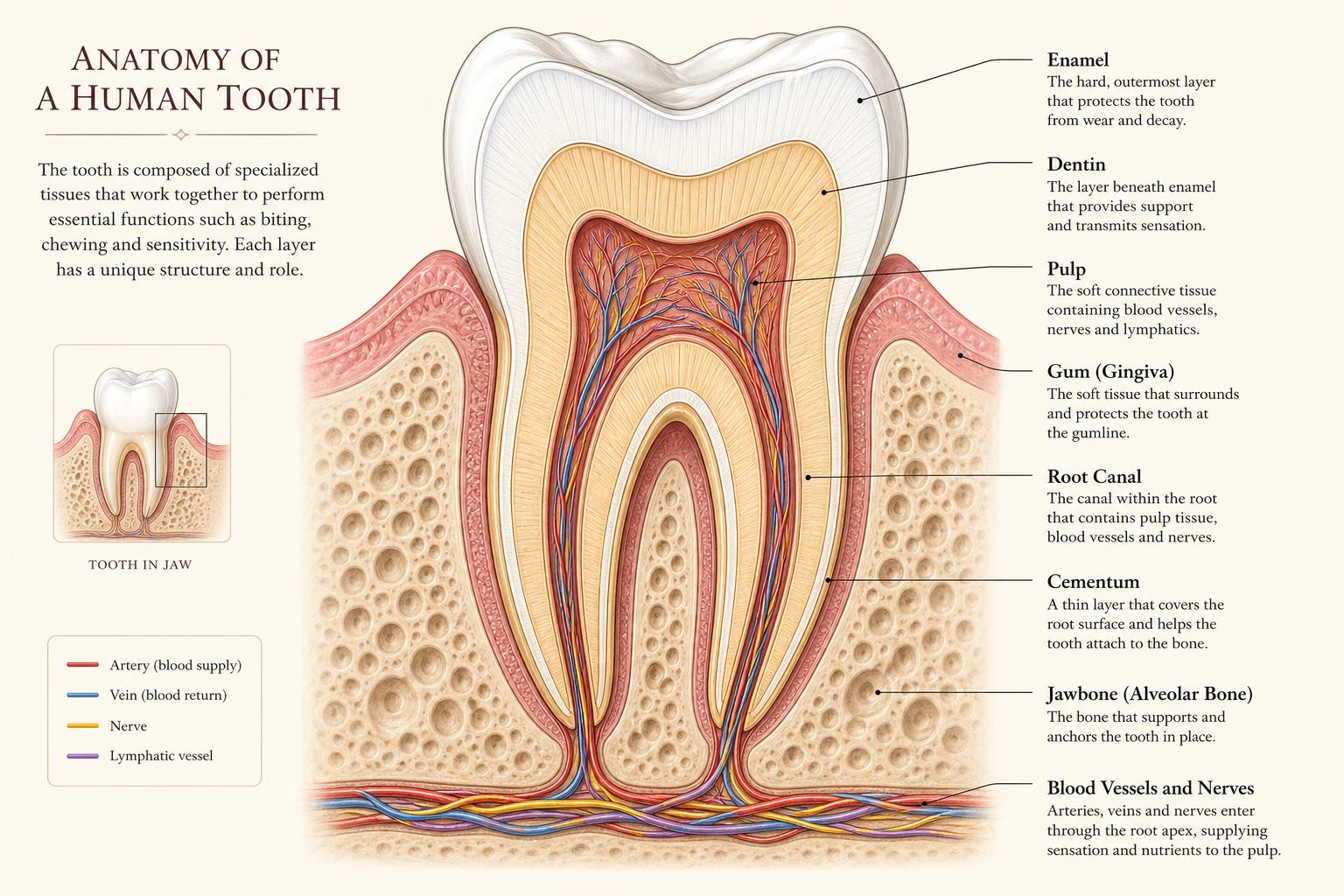
Anatomy of a human tooth — biological diagram
Slide 01 / Anatomy

Anatomy of a human tooth

From enamel to root apex, every tooth is a layered biological structure. Understanding which tissues a procedure touches is the difference between a clean claim and a denial.
  • Enamel and dentin protect the inner pulp tissue
  • The pulp houses nerves, arteries, veins and lymphatics
  • Cementum and the periodontal ligament anchor the root in alveolar bone
  • CDT codes follow the affected layer — restorative, endodontic or periodontal
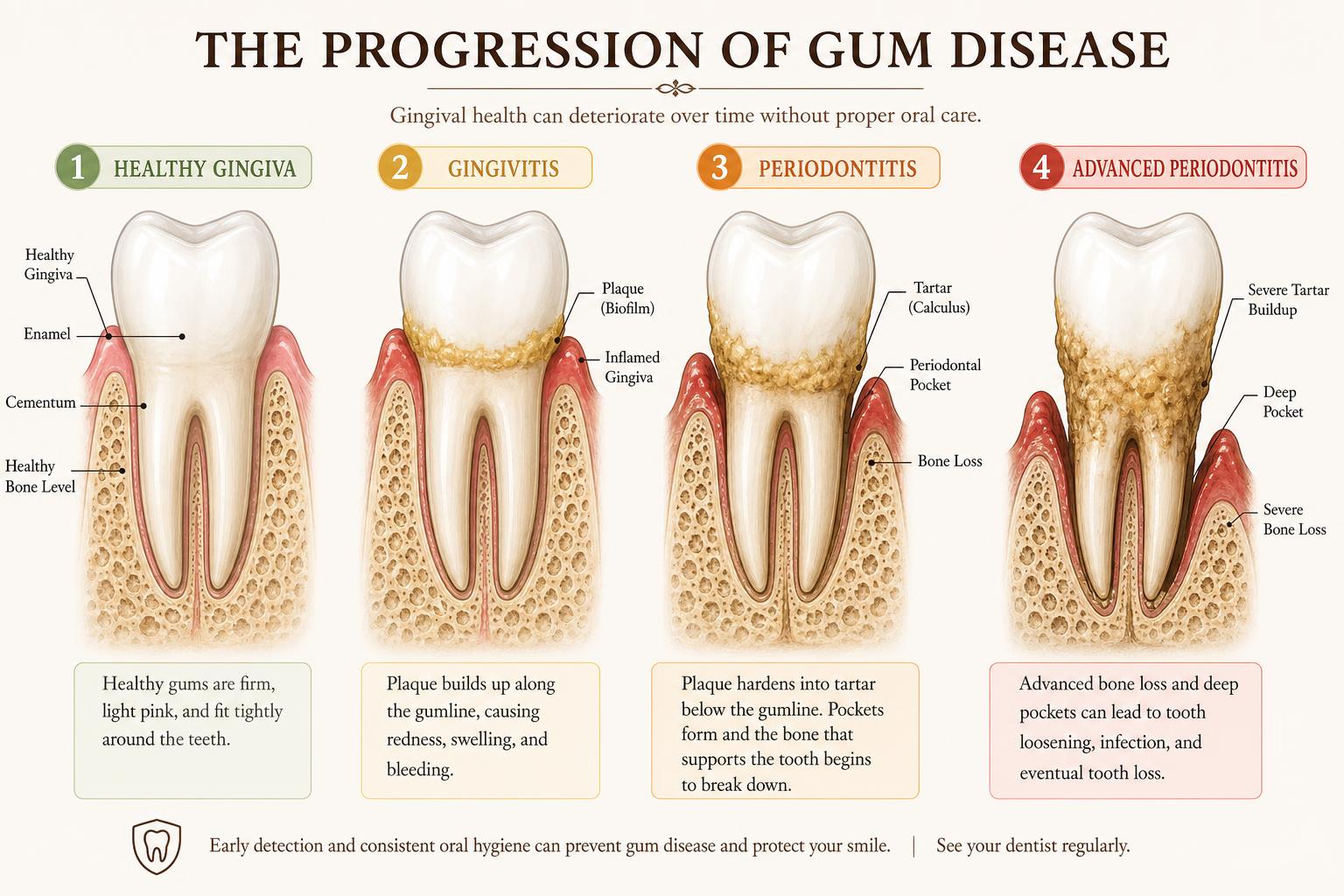
Progression of gum disease — biological diagram
Slide 02 / Periodontology

The four stages of gum disease

Healthy gingiva, gingivitis, periodontitis and advanced periodontitis each have specific clinical findings — and each maps to a different set of perio codes and frequency limits.
  • Stage 1 — healthy: prophylaxis (D1110) covered every 6 months
  • Stage 2 — gingivitis: scaling in the presence of inflammation (D4346)
  • Stage 3 — periodontitis: scaling and root planing (D4341 / D4342)
  • Stage 4 — advanced: periodontal maintenance (D4910), often surgical
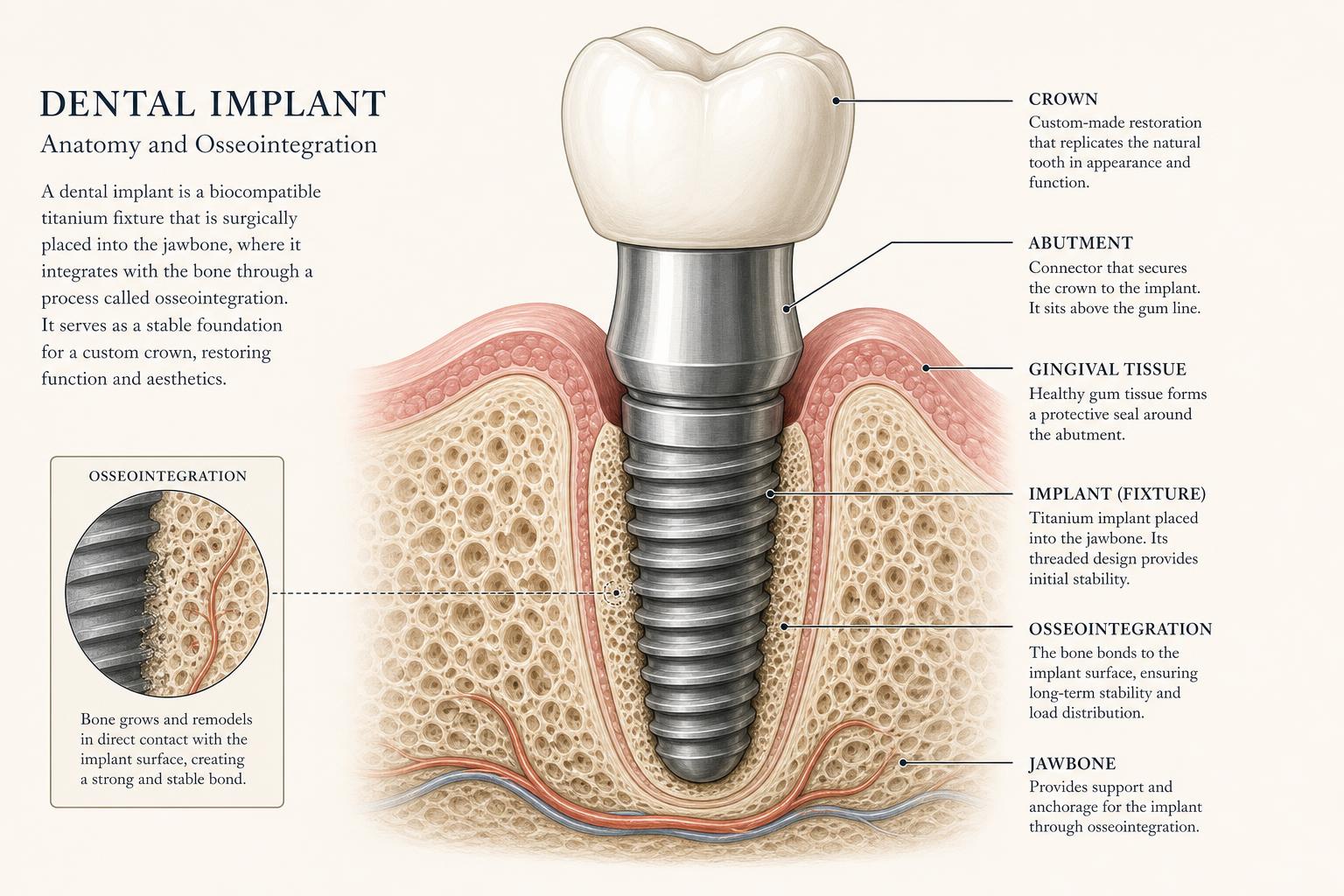
Dental implant cross-section — biological diagram
Slide 03 / Implantology

Dental implants and osseointegration

An implant is three components billed separately — surgical placement, abutment and crown — over a months-long osseointegration timeline. Sequencing matters for both clinical success and reimbursement.

  • Surgical placement of the titanium fixture (D6010)
  • Custom abutment fabrication and seating (D6057)
  • Implant-supported crown (D6058 / D6065)
  • Pre-authorization and X-ray documentation drive payer approval
Architecture

How the platform fits together

A layered system: the AI engine handles deterministic, high-volume work — humans take every appeal, edge case and conversation.

Practice Layer · PMS · Front Desk · Patient App AI ENGINEEligibility · Coding · Scrub · Routing EXPERT TEAMAppeals · Edge cases · Calls Payer Network · 1,800+ Connections · X12 EDI · Real-time APIs HIPAA · SOC 2 · AES-256 ENCRYPTION AT REST AND IN TRANSIT

Engine + experts, one stack

Toothy sits between your PMS and the payer network. Every appointment trips a workflow that flows top-to-bottom: pull eligibility, code the visit, scrub the claim, route exceptions to a human, and post the payment back to your ledger.

  • Two-way sync with all major dental PMS
  • Deterministic AI for verification and scrubbing
  • Human specialists for appeals and patient calls
  • HIPAA + SOC 2 controls at every layer
Integrations

Connects to your PMS, payers and ledger

We meet your stack where it is — no rip-and-replace, no double entry.
PMS sync
/ PMS

Open Dental, Eaglesoft, Dentrix

Bi-directional sync of schedule, ledger and notes. Writes-back claim status the moment it changes.

Payers
/ Payers

1,800+ payer connections

Real-time eligibility through Change Healthcare, Vyne, DentalXChange and direct payer APIs.
Ledger
/ Finance

QuickBooks & ERP posting

Daily ERA reconciliation pushed straight to QuickBooks Online or your back-office ERP.

Security

A defense-in-depth model

Five overlapping layers protect every byte of PHI, from the network edge down to the row level.

PHI NETWORK APPLICATION ACCESS ENCRYPTION

Five concentric layers around your data

PHI never touches a developer laptop. Every request is authenticated, every action is logged, and every backup is encrypted with keys we rotate quarterly.

  • TLS 1.3 between every service hop
  • Per-tenant encryption keys, AES-256 at rest
  • Just-in-time access with short-lived tokens
  • Tamper-evident audit log on every record
  • Quarterly third-party penetration tests